
Here are some books we often recommend to clients seeking clarity, resilience, and inspiration.
Getting Through Hard Times Calming the Inner Chaos Finding Yourself Again
Healing Relationships Everyday Brain Hacks Stories of Resilience
Building Better Habits Mindfulness & Presence Facing Mortality, Finding Meaning
Getting Through Hard Times
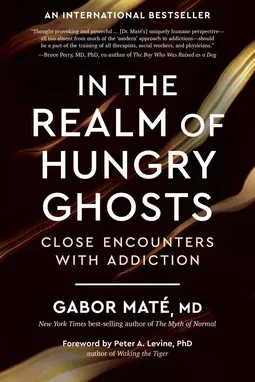
In the Realm of Hungry Ghosts: Close Encounters with Addiction (2008) by Gabor Maté examines addiction through the lens of trauma, attachment, and neurobiology. Drawing on his clinical work with marginalized populations in Vancouver, Maté shows how compulsive substance use emerges as an attempt to regulate overwhelming stress and unmet emotional needs. Psychologically, the book reframes addiction not as a failure of will but as a maladaptive survival strategy rooted in early developmental experiences and social context, while also exploring pathways toward healing through compassion, connection, and self-regulation.
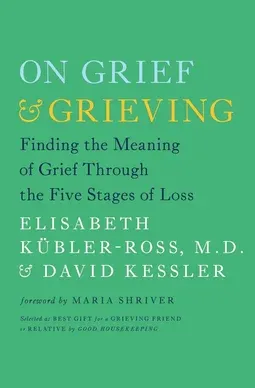
On Grief and Grieving (2005) by Elisabeth Kübler-Ross and David Kessler applies psychological insight to the process of mourning, expanding on the five stages of grief—denial, anger, bargaining, depression, and acceptance. Drawing on clinical experience and humanistic psychology, the authors illustrate how grief involves emotional, cognitive, and relational adjustments as individuals integrate the reality of loss. Psychologically, the book reframes grief not as a linear process but as a dynamic journey, emphasizing that mourning reshapes identity and meaning while offering pathways toward acceptance and continued connection with loved ones.

Reasons to Stay Alive (2015) by Matt Haig blends memoir with psychological reflection on living with depression and anxiety. Drawing from his own crisis and recovery, Haig illustrates how hopelessness distorts perception and how small acts of connection, creativity, and routine can gradually restore meaning. Psychologically, the book reframes survival not as the eradication of symptoms but as learning to live alongside vulnerability, emphasizing resilience, self-compassion, and the possibility of growth even in the midst of ongoing mental health challenges.
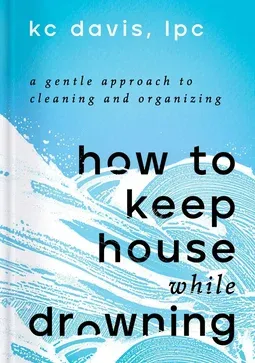
How to Keep House While Drowning: A Gentle Approach to Cleaning and Organizing (2022) by KC Davis combines practical guidance with psychological insight to address the challenges of daily functioning during stress, burnout, or depression. Grounded in self-compassion and executive functioning theory, Davis reframes care tasks as morally neutral acts of support rather than measures of worth. Psychologically, the book emphasizes reducing shame, managing emotional overload, and building adaptive routines that align with mental health needs, turning small acts of organization into tools for stability, agency, and self-kindness.
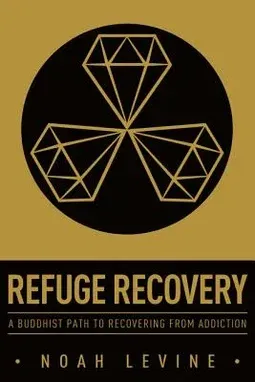
Refuge Recovery: A Buddhist Path to Recovering from Addiction (2014) by Noah Levine reframes addiction treatment through mindfulness and Buddhist psychology. Grounded in the Four Noble Truths and Eightfold Path, the book emphasizes craving and attachment as central mechanisms of addictive behavior, while offering meditation, ethical practice, and community support as tools for recovery. Psychologically, it positions mindfulness as a method for increasing emotional regulation, disrupting compulsive patterns, and cultivating compassion, providing an evidence-informed alternative to traditional abstinence models.
Calming the Inner Chaos
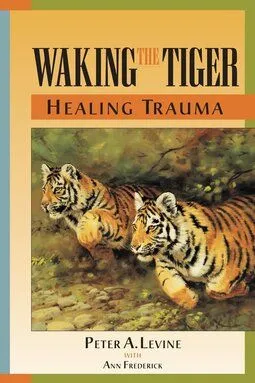
Waking the Tiger: Healing Trauma (1997) by Peter A. Levine introduces Somatic Experiencing, a therapeutic approach that views trauma as an incomplete physiological response rather than solely a psychological wound. Drawing on neurobiology and observations of animals in the wild, Levine argues that unresolved survival energy—fight, flight, or freeze—becomes “trapped” in the body, leading to symptoms of post-traumatic stress. Psychologically, the book reframes trauma not as pathology but as a natural process that can be completed and released through mindful reconnection with bodily sensations. It has been influential in expanding trauma therapy beyond cognitive and narrative methods toward body-based healing.
Process Not Perfection (2019) by Jamie Marich integrates mindfulness, expressive arts, and trauma-informed therapy into a practical guide for healing and self-discovery. The book emphasizes that recovery and growth are nonlinear processes, encouraging readers to release perfectionism and instead focus on awareness, creativity, and compassion. Psychologically, it highlights how self-expression and mindful presence support emotional regulation, resilience, and integration, making healing more about cultivating balance and authenticity than striving for flawlessness.
Burnout: The Secret to Unlocking the Stress Cycle (2019) by Emily Nagoski and Amelia Nagoski explains how chronic stress and emotional exhaustion emerge when the body’s stress-response cycle is left incomplete. Drawing on research in psychology, stress physiology, and gender studies, the authors highlight how social pressures, perfectionism, and systemic expectations—especially for women—exacerbate burnout. Psychologically, the book emphasizes strategies such as completing the stress cycle, cultivating self-compassion, and setting boundaries to regulate emotions, restore balance, and build resilience against ongoing demands.
Self-Compassion: The Proven Power of Being Kind to Yourself (2011) by Kristin Neff presents self-compassion as a psychological skill that fosters resilience, emotional regulation, and well-being. Drawing on research in mindfulness and social psychology, Neff outlines how cultivating kindness toward oneself reduces self-criticism, buffers against anxiety and depression, and strengthens motivation through support rather than shame. Psychologically, the book reframes inner dialogue as a central factor in mental health, offering evidence-based practices for treating oneself with the same care typically reserved for others.
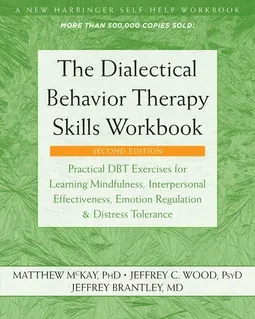
The Dialectical Behavior Therapy Workbook (2007) by Matthew McKay, Jeffrey C. Wood, and Jeffrey Brantley provides practical exercises for applying DBT skills to everyday life. Grounded in behavioral psychology, it teaches four core areas—mindfulness, distress tolerance, emotion regulation, and interpersonal effectiveness—that help individuals manage overwhelming emotions and reduce impulsive or self-destructive patterns. Psychologically, the workbook translates DBT’s evidence-based methods into step-by-step practices, supporting greater emotional stability, healthier relationships, and improved self-control.
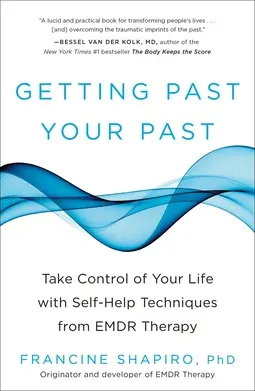
Getting Past Your Past (2012) by Francine Shapiro presents Eye Movement Desensitization and Reprocessing (EMDR) as a method for resolving the lingering psychological effects of trauma. Shapiro explains how unprocessed memories and negative core beliefs become “stuck” in the nervous system, fueling anxiety, depression, and maladaptive behaviors. Psychologically, the book reframes healing as the reprocessing of these memories so they no longer trigger overwhelming responses, offering both clinical insight and practical self-help techniques to reduce emotional reactivity and restore a sense of safety and agency.
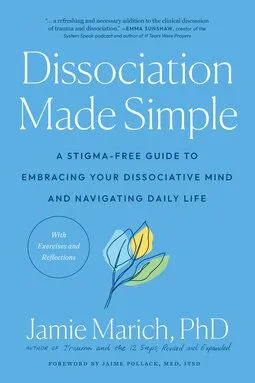
Dissociation Made Simple: A Stigma-Free Guide to Embracing Your Dissociative Mind and Navigating Daily Life (2023) by Jamie Marich offers a compassionate, trauma-informed understanding of dissociation as a protective psychological response rather than a sign of pathology. Integrating principles from trauma therapy, mindfulness, and parts work, Marich explains how dissociation functions within the nervous system and how awareness, grounding, and self-compassion can support integration. Psychologically, the book reframes fragmentation as an adaptive mechanism that can be worked with—not eradicated—helping readers build safety, coherence, and self-acceptance in daily life
Finding Yourself Again

I Used to Be a Miserable F*ck (2019) by John Kim blends memoir with psychological self-help, offering a candid exploration of masculinity, vulnerability, and personal growth. Kim, a licensed therapist, reframes traditional male roles through the lens of attachment, emotional regulation, and authenticity, encouraging men to move beyond defensiveness and detachment toward openness and accountability. Psychologically, the book emphasizes how shifts in self-concept and relational patterns can transform not only one’s inner life but also the quality of intimate and social connections.
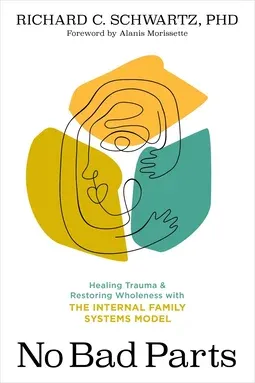
No Bad Parts: Healing Trauma and Restoring Wholeness with the Internal Family Systems Model (2021) by Richard C. Schwartz presents the Internal Family Systems (IFS) approach, which views the mind as a system of distinct “parts” that develop to protect against pain and trauma. Rather than pathologizing these inner voices, Schwartz teaches that healing occurs when individuals relate to each part with curiosity and compassion, guided by the centered “Self.” Psychologically, the book reframes internal conflict as a pathway to integration, showing how self-acceptance and internal dialogue can restore balance, resilience, and wholeness.
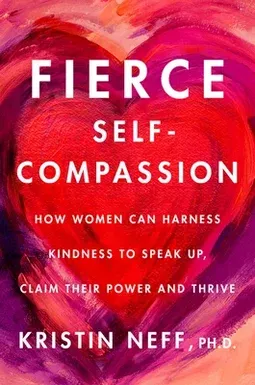
Fierce Self-Compassion: How Women Can Harness Kindness to Speak Up, Claim Their Power, and Thrive (2021) by Kristin Neff expands the psychology of self-compassion to include both nurturing and protective dimensions. Drawing on research in mindfulness, emotion regulation, and gender socialization, Neff distinguishes between “tender” self-compassion—soothing and comforting oneself—and “fierce” self-compassion—setting boundaries, advocating for needs, and confronting injustice. Psychologically, the book highlights how integrating these aspects fosters empowerment, resilience, and authenticity, helping individuals transform self-criticism into strength and self-trust.

Atlas of the Heart: Mapping Meaningful Connection and the Language of Human Experience (2021) by Brené Brown explores the psychology of emotion, meaning, and connection. Drawing on research in social psychology and emotion science, Brown identifies and defines key emotional states to expand emotional literacy—the capacity to recognize, name, and understand feelings. Psychologically, the book emphasizes that cultivating a precise emotional vocabulary enhances empathy, strengthens relationships, and deepens self-awareness, allowing individuals to navigate vulnerability and connection with greater clarity and compassion.
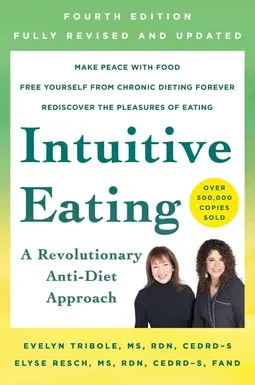
Intuitive Eating (1995, updated editions) by Evelyn Tribole and Elyse Resch reframes eating through psychological principles of self-regulation, body awareness, and emotional well-being. The book challenges diet culture and explains how restrictive eating patterns disrupt natural hunger and satiety cues, often fueling shame and disordered eating. Psychologically, it emphasizes interoceptive awareness—trusting internal signals of hunger and fullness—while promoting self-compassion, autonomy, and resilience, positioning eating not as a matter of willpower but as a reconnection with the body’s innate wisdom.
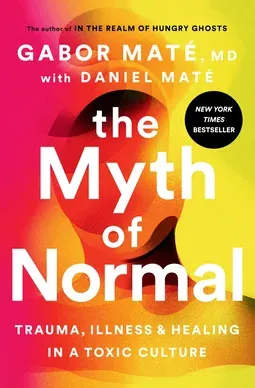
The Myth of Normal: Trauma, Illness, and Healing in a Toxic Culture (2022) by Gabor Maté explores how modern society’s definitions of “normal” often mask widespread psychological and physiological distress. Integrating trauma theory, developmental psychology, and mind–body medicine, Maté argues that chronic stress, emotional repression, and disconnection from authenticity contribute to both mental and physical illness. Psychologically, the book reframes healing as a process of reclaiming self-awareness and compassion in the face of cultural pressures, emphasizing that true well-being arises from integration, authenticity, and connection.

The Midnight Library (2020) by Matt Haig uses a fictional narrative to explore psychological themes of regret, depression, and meaning-making. The protagonist, suspended between life and death, enters a library where each book represents a different version of her life, allowing her to confront “what if” choices and unresolved desires. Psychologically, the novel illustrates how perfectionism and regret distort one’s sense of worth, while acceptance and connection provide the foundation for resilience. It reframes fulfillment not as finding the ideal life but as discovering meaning in the one we choose to live.
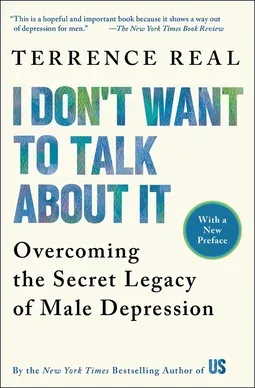
I Don’t Want to Talk About It: Overcoming the Secret Legacy of Male Depression (1997) by Terry Real examines how cultural norms around masculinity conceal and distort men’s experiences of depression. Real introduces the concept of “covert depression,” in which symptoms are masked by anger, withdrawal, or addictive behaviors rather than openly expressed sadness. Psychologically, the book links these patterns to childhood trauma, attachment wounds, and relational disconnection, and it emphasizes how vulnerability, emotional awareness, and connection can break cycles of silence and support authentic healing.

The Gifts of Imperfection (2010) by Brené Brown applies research on shame, vulnerability, and authenticity to everyday psychological well-being. Brown identifies how perfectionism and fear of judgment undermine self-worth, and she offers evidence-based “guideposts” for cultivating courage, compassion, and connection. Psychologically, the book reframes vulnerability not as weakness but as a pathway to resilience and belonging, encouraging readers to embrace imperfection as essential to living with authenticity and emotional health.
Healing Relationships

The Power of Showing Up (2020) by Daniel J. Siegel and Tina Payne Bryson applies attachment theory to everyday parenting, emphasizing how consistent emotional presence shapes a child’s brain and psychological development. The authors describe the “Four S’s”—helping children feel safe, seen, soothed, and secure—as the foundation for resilience, self-regulation, and healthy relationships later in life. Psychology-wise, the book highlights how early attachment experiences sculpt neural pathways and stress-response systems, showing that even imperfect but reliable caregiving can foster long-term emotional well-being. It bridges developmental neuroscience with practical parenting strategies, making attachment theory deeply accessible.
No-Drama Discipline (2014) by Daniel J. Siegel and Tina Payne Bryson applies neuroscience and attachment theory to reframe discipline as a process of teaching rather than punishing. The authors explain how children’s misbehavior often reflects brain immaturity and emotional dysregulation, and they provide strategies for parents to connect before correcting. Psychologically, the book emphasizes co-regulation, empathy, and boundary-setting as tools that not only reduce conflict in the moment but also build long-term self-regulation, resilience, and secure parent–child relationships.
The Yes Brain (2018) by Daniel J. Siegel and Tina Payne Bryson applies developmental neuroscience to show how parents can nurture children’s emotional balance, curiosity, and resilience. The authors contrast a “Yes Brain,” marked by openness and flexibility, with a “No Brain,” characterized by reactivity and shutdown, and provide strategies to help children shift toward regulation and growth. Psychologically, the book emphasizes co-regulation, mindfulness, and attuned parenting as tools for strengthening neural integration, supporting secure attachment, and fostering lifelong emotional well-being.
Getting the Love You Want (1988, revised editions) by Harville Hendrix presents Imago Relationship Therapy, a psychologically informed approach to understanding and improving intimate partnerships. Hendrix explains how unconscious childhood experiences shape partner choice and fuel conflict, as couples often reenact unresolved attachment needs and wounds. Psychologically, the book reframes conflict not as failure but as an opportunity for growth, showing how empathy, conscious dialogue, and mutual attunement can transform relationships into spaces of healing, deeper connection, and secure attachment.

After the Fight (1993) by Daniel B. Wile explores conflict in intimate relationships through the lens of collaborative couple therapy. Wile emphasizes that arguments often mask underlying fears, unmet needs, and attachment vulnerabilities, and that unresolved fights can reinforce cycles of disconnection. Psychologically, the book reframes conflict as a doorway to intimacy when partners learn to translate blame and defensiveness into shared understanding. By highlighting the role of communication, empathy, and emotional attunement, Wile presents fighting not as destructive by nature but as an opportunity for repair, trust, and deeper connection.
=
The Seven Principles for Making Marriage Work (1999, updated 2015) by John Gottman distills decades of relationship research into practical strategies for strengthening long-term partnerships. Drawing on his observational studies of couples, Gottman identifies predictors of marital stability—such as fostering fondness, managing conflict constructively, and nurturing shared meaning—while warning against destructive patterns like criticism, defensiveness, contempt, and stonewalling. Psychologically, the book frames marriage as an emotional system shaped by communication, attachment, and trust, showing how intentional practices can build resilience, deepen intimacy, and sustain lasting connection.

Eight Dates: Essential Conversations for a Lifetime of Love (2019) by John and Julie Gottman uses psychological research on attachment, communication, and intimacy to guide couples through structured conversations. Each “date” addresses a core area of relational health—such as trust, conflict, sex, money, family, and meaning—helping partners surface underlying needs and strengthen emotional connection. Psychologically, the book highlights how intentional dialogue fosters vulnerability, empathy, and secure attachment, reframing communication not as problem-solving alone but as an ongoing process of deepening understanding and intimacy.
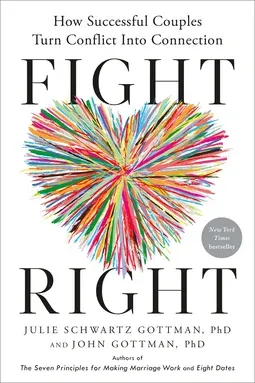
Fight Right: How Successful Couples Turn Conflict into Connection (2024) by John and Julie Gottman reframes conflict as an opportunity for intimacy rather than a threat to relationship stability. Grounded in decades of research from the Gottman Institute, the book shows how partners can recognize and interrupt destructive patterns—criticism, defensiveness, contempt, and stonewalling—while learning repair strategies that build trust and emotional safety. Psychologically, it emphasizes conflict as a natural expression of differing needs and attachment vulnerabilities, demonstrating how empathy, regulation, and constructive communication transform fights into moments of growth and deeper connection.
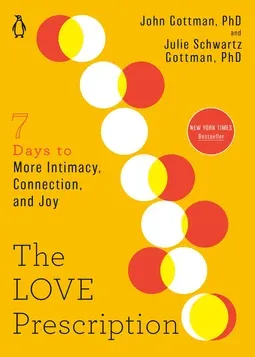
The Love Prescription: Seven Days to More Intimacy, Connection, and Joy (2022) by John and Julie Gottman distills decades of relationship research into a short, structured guide for strengthening partnerships. The book emphasizes how small, intentional actions—such as turning toward bids for attention, expressing appreciation, and practicing emotional attunement—have an outsized psychological impact on trust and intimacy. Drawing on attachment and communication theory, the Gottmans frame love not as grand gestures but as daily micro-interactions that regulate emotion, reduce conflict, and deepen relational security.
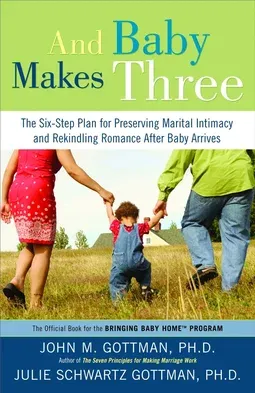
And Baby Makes Three (2007) by John and Julie Gottman explores the psychological and relational challenges couples face when transitioning to parenthood. Drawing on decades of marital research and attachment theory, the book highlights how stress, shifting roles, and unmet needs can strain intimacy and communication after a child is born. Psychologically, it reframes this transition as both a risk and an opportunity, showing how intentional practices—such as nurturing friendship, managing conflict, and creating shared meaning—can protect the couple bond and foster a secure, supportive family environment.
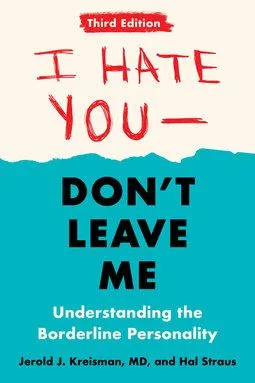
I Hate You, Don’t Leave Me (1989, revised 2010) by Jerold J. Kreisman and Hal Straus is a foundational text on Borderline Personality Disorder (BPD), written to bridge clinical psychology and public understanding. It explains the core features of BPD—emotional volatility, unstable identity, and intense fear of abandonment—while outlining the developmental, biological, and relational factors that contribute to the disorder. Psychologically, the book emphasizes how patterns of dysregulation and attachment insecurity shape both inner experience and interpersonal conflict, and it reviews therapeutic approaches that can support stability and healthier relationships.
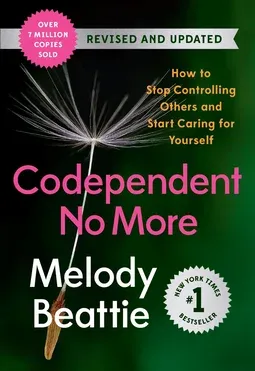
Codependent No More: How to Stop Controlling Others and Start Caring for Yourself (1986) by Melody Beattie explores the psychology of codependency, a pattern of self-sacrifice, over-control, and emotional enmeshment often found in relationships with people struggling with addiction or dysfunction. Drawing on recovery principles and clinical insight, Beattie shows how codependent behaviors emerge as coping strategies but ultimately perpetuate stress, low self-worth, and loss of identity. Psychologically, the book emphasizes boundary-setting, self-care, and autonomy as essential for breaking these cycles, making it a foundational text in understanding and healing relational patterns.
Stepmonster (2009) by Wednesday Martin applies psychological and anthropological insight to the often-misunderstood role of the stepmother. Drawing on attachment theory, family systems research, and cultural psychology, Martin examines how stepfamilies trigger loyalty conflicts, unresolved grief, and identity struggles. She highlights the powerful impact of stereotypes and societal expectations on women entering this role, while also validating the ambivalence and emotional complexity stepmothers experience. Psychologically, the book reframes stepmotherhood not as personal failure but as a predictable set of relational challenges shaped by developmental needs, family dynamics, and cultural narratives.
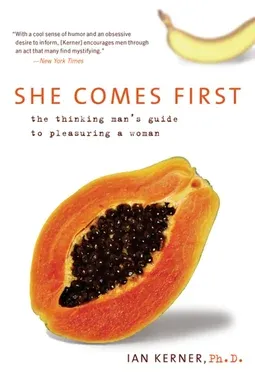
She Comes First (2004) by Ian Kerner reframes sexual intimacy through a psychological lens of empathy, equity, and communication. Focusing on how cultural scripts and performance pressures undermine connection, Kerner emphasizes attunement to a partner’s needs as central to building trust and reducing anxiety in sexual relationships. Psychologically, the book highlights how prioritizing mutual pleasure fosters emotional safety, reshapes unhealthy gender dynamics, and strengthens relational bonds through respect and responsiveness.

How to Improve Your Marriage Without Talking About It (2007) by Patricia Love and Steven Stosny reframes marital conflict through psychological and neurobiological differences in how men and women process stress and intimacy. The authors argue that traditional “talk it out” approaches often intensify disconnection, since men are more prone to shame and withdrawal while women often seek verbal reassurance. Psychologically, the book emphasizes emotional attunement, nonverbal connection, and empathy as pathways to strengthen attachment bonds, reduce conflict cycles, and foster safety and intimacy in long-term relationships.
Everyday Brain Hacks
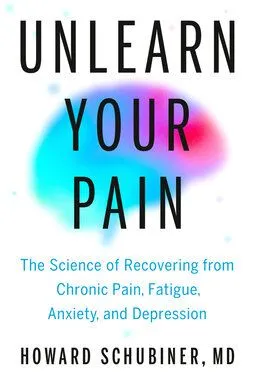
Unlearn Your Pain (2010) by Howard Schubiner applies a mind-body framework to chronic pain, emphasizing the psychological role of stress, trauma, and unresolved emotions in sustaining physical symptoms. Drawing on research in neuroplasticity and psychophysiological disorders, Schubiner shows how pain can become a learned neural pathway rather than a fixed medical condition. Psychologically, the book highlights how awareness, emotional processing, and cognitive reframing can “unlearn” these patterns, reducing pain and restoring a greater sense of control, resilience, and well-being.
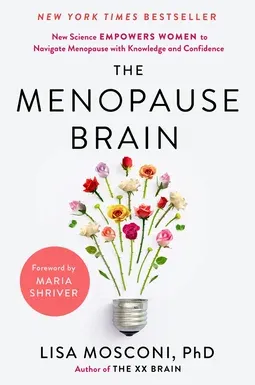
The Menopause Brain: New Science on Women, Hormones, and the Aging Mind (2024) by Lisa Mosconi integrates neuroscience and psychology to explain how hormonal changes during menopause influence cognition, mood, and emotional well-being. Drawing on brain imaging and clinical research, Mosconi shows how estrogen fluctuations affect memory, stress regulation, and neural connectivity. Psychologically, the book reframes menopause as a neurobiological transition rather than decline, emphasizing lifestyle, emotional awareness, and self-compassion as key to maintaining cognitive vitality and psychological resilience.
Stories of Resilience

When Rabbit Howls (1987) is the autobiographical account of Truddi Chase, written with psychiatrist Cornelia Wilbur, documenting her life with Dissociative Identity Disorder (DID). Rather than presenting a single “core” self, the book gives voice to more than ninety personalities—“the Troops”—who emerged as adaptive responses to severe childhood abuse. It is significant in psychology for shifting focus from integration toward honoring multiplicity as a survival strategy, illustrating both the devastating impact of trauma and the complexity of dissociative defenses.
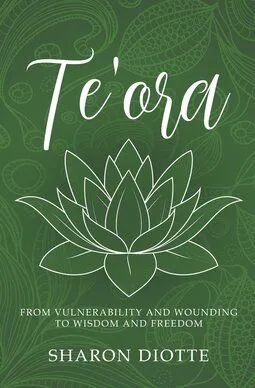
Te’ora: From Vulnerability and Wounding to Wisdom and Freedom (2023) by Sharon Diotte is a memoir that weaves personal narrative with psychological insight into trauma recovery and post-traumatic growth. Through reflections on pain, resilience, and self-awareness, Diotte illustrates how healing emerges from confronting vulnerability rather than avoiding it. Psychologically, the book aligns with trauma-informed and humanistic perspectives, emphasizing integration, self-compassion, and meaning-making as paths to transformation. It reframes suffering not as a defining wound but as the soil from which wisdom, freedom, and authenticity can grow.
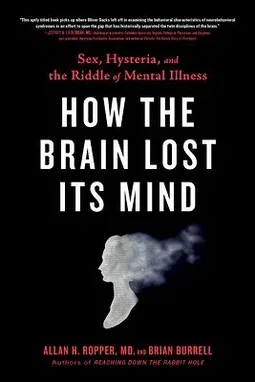
How the Brain Lost Its Mind (2019) by Allan H. Ropper and Brian David Burrell examines the blurred boundary between neurology and psychiatry through the history of syphilis-induced madness. The book traces how general paresis of the insane—once a mysterious psychiatric condition—was revealed to be caused by late-stage syphilis, highlighting the ways infection can mimic or trigger psychiatric symptoms. Psychologically, it underscores how brain pathology and mental illness intertwine, challenging the old split between “mind” and “brain” and reminding us that disorders of thought, mood, and behavior often emerge from complex biological and social interactions. It’s both a medical detective story and a reflection on the evolving understanding of mental illness.
Building Better Habits
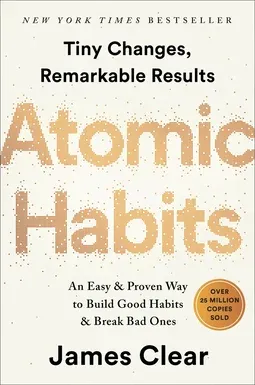
Atomic Habits (2018) by James Clear applies principles of behavioral psychology and cognitive science to explain how small, consistent actions shape lasting change. Clear highlights how habits are formed through cue–craving–response–reward loops and shows how environmental design, reinforcement, and identity-based motivation influence behavior. Psychologically, the book reframes self-improvement as less about willpower and more about restructuring the conditions that guide automatic behavior, offering a framework for sustainable growth through incremental shifts.
Mindfulness & Presence
The Secret Therapy of Trees (2019) by Marco Mencagli and Marco Nieri explores the psychological and physiological effects of time spent in forests and natural environments. Drawing on research in environmental psychology, stress recovery theory, and biophilia, the authors explain how sensory immersion in nature—through sight, scent, sound, and touch—can lower cortisol, regulate mood, and restore cognitive attention. Psychologically, the book frames nature as a co-regulator of the nervous system, showing how contact with trees supports resilience, emotional balance, and overall well-being in ways that modern urban life often erodes.
Blue Mind (2014) by Wallace J. Nichols explores the psychological and neurological effects of water on human well-being. Drawing on research in neuroscience, environmental psychology, and physiology, Nichols shows how proximity to oceans, lakes, and rivers reduces stress, enhances creativity, and promotes emotional regulation. Psychologically, the book reframes water as a natural co-regulator of the nervous system, highlighting its role in calming anxiety, deepening self-reflection, and fostering resilience and connection.
Aware: The Science and Practice of Presence (2018) by Daniel J. Siegel integrates neuroscience, mindfulness, and clinical psychology through his “Wheel of Awareness” meditation practice. Siegel explains how directing attention to sensations, thoughts, and emotions promotes neural integration, the process of linking different brain regions for greater balance and flexibility. Psychologically, the book emphasizes presence as a foundation for emotional regulation, resilience, and well-being, showing how cultivating awareness can reduce stress, deepen relationships, and foster a coherent sense of self.
The Whole-Brain Child (2011) by Daniel J. Siegel and Tina Payne Bryson integrates developmental neuroscience with parenting strategies to promote children’s emotional and psychological growth. The book explains how different parts of the brain—such as the emotional right hemisphere and the logical left, or the reactive lower brain and the reflective higher brain—develop and interact. Psychologically, it emphasizes “integration” as the key to resilience, showing how parents can use empathy, storytelling, and attuned responses to help children regulate emotions, build self-awareness, and strengthen secure attachment.

Mindfulness in Plain English (1994) by Bhante Henepola Gunaratana introduces Vipassana meditation as a practical method for cultivating awareness and psychological balance. Written with clarity and accessibility, it explains how training attention to observe thoughts, sensations, and emotions without judgment reduces stress, interrupts rumination, and fosters emotional regulation. Psychologically, the book frames mindfulness as a skill that transforms reactivity into presence, supporting resilience, clarity, and a healthier relationship with one’s inner experience.
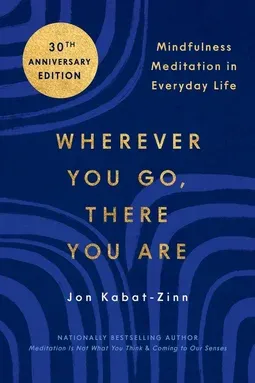
Wherever You Go, There You Are (1994) by Jon Kabat-Zinn introduces mindfulness meditation as a practical tool for psychological well-being. Drawing on clinical applications of mindfulness-based stress reduction (MBSR), Kabat-Zinn emphasizes cultivating nonjudgmental awareness of the present moment as a way to regulate emotions, reduce stress, and shift one’s relationship to thoughts. Psychologically, the book reframes mental health not as control over experience but as acceptance and presence, showing how mindfulness fosters resilience, clarity, and balance in daily life.
Facing Mortality, Finding Meaning
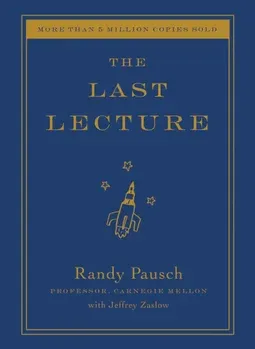
The Last Lecture (2008) by Randy Pausch, a Carnegie Mellon professor diagnosed with terminal pancreatic cancer, blends memoir with psychological reflection on resilience, meaning, and legacy. Framed as his “last lecture” to students, Pausch explores how childhood dreams, perseverance, humor, and perspective shape a fulfilling life. Psychologically, the book illustrates principles of positive psychology—such as optimism, gratitude, and goal pursuit—while also modeling coping with mortality and using narrative to construct meaning in the face of death. It stands as both a personal farewell and a guide to psychological well-being under profound adversity.
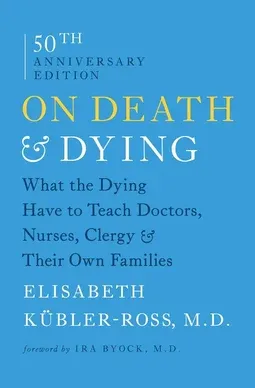
On Death and Dying (1969) by Elisabeth Kübler-Ross introduced the five stages of grief—denial, anger, bargaining, depression, and acceptance—based on her work with terminally ill patients. Psychologically, the book reframed dying as a process with emotional and relational dimensions rather than a purely medical event, highlighting how individuals cope with mortality through shifting states of mind. It opened the field of thanatology, encouraging clinicians, families, and patients to engage with death directly and compassionately, and remains a foundational text on the psychology of end-of-life experiences.
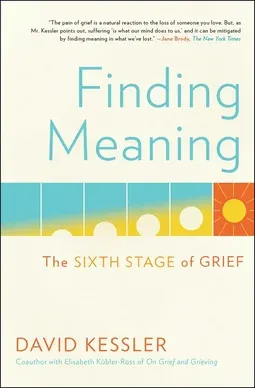
Finding Meaning: The Sixth Stage of Grief (2019) by David Kessler extends Elisabeth Kübler-Ross’s model by introducing meaning-making as an essential dimension of mourning. Drawing on clinical experience and personal loss, Kessler emphasizes that grief is not resolved by closure but by integrating loss into one’s life story in ways that preserve connection and foster growth. Psychologically, the book reframes healing as the ability to construct meaning after loss, supporting resilience, identity renewal, and the continuation of bonds with loved ones who have died.
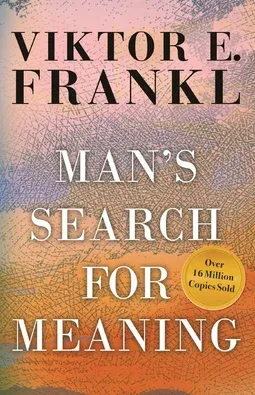
Man's Search for Meaning (1946) by Viktor E. Frankl combines Holocaust memoir with the foundations of logotherapy, a psychological approach centered on the human drive for meaning. Drawing on his experiences in Nazi concentration camps, Frankl illustrates how purpose and values can sustain resilience even in the face of profound suffering. Psychologically, the book reframes survival and well-being not as products of pleasure or power, but of discovering meaning, showing that individuals can endure hardship when they locate a “why” to live for.