
Location
Stress in America 2025: How Disconnection Impacts Mental Health
Stress in America 2025: How Disconnection Impacts Mental Health
- posted: Mar. 04, 2026
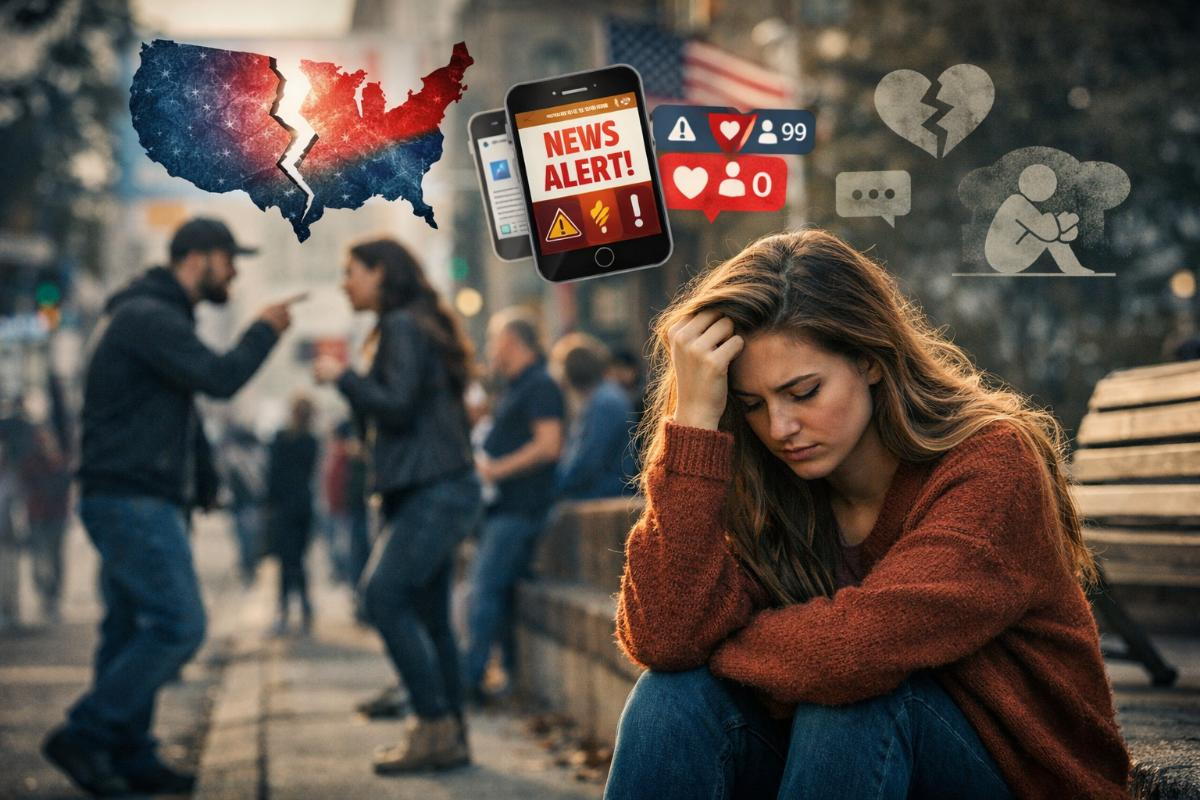
Stress in the United States is no longer driven only by work pressure, finances, or health concerns. According to the American Psychological Association’s Stress in America™ 2025 report, stress is increasingly shaped by social disconnection and societal division (American Psychological Association [APA], 2025).
The findings suggest that many Americans are not just overwhelmed—they are isolated, and that isolation is taking a measurable toll on mental and physical health.
How Societal Division Is Fueling Stress
The APA’s 2025 report found that 62% of adults identify societal division as a significant source of stress, making it one of the most commonly reported stressors nationwide (APA, 2025). Nearly half of adults also report frequent feelings of loneliness or lack of companionship (APA, 2025).
Individuals who experience stress related to societal division are more likely to report emotional withdrawal, difficulty planning for the future, and strained relationships. These experiences often coincide with symptoms such as anxiety, irritability, fatigue, and sleep disruption (APA, 2025).
Loneliness and Mental Health: More Than an Emotional Experience
Loneliness is not simply an uncomfortable feeling—it is a documented public health risk. Research from the World Health Organization indicates that chronic social isolation is associated with increased risk of depression, cardiovascular disease, cognitive decline, and premature mortality (World Health Organization [WHO], 2025).
Similarly, the Centers for Disease Control and Prevention identifies loneliness and social isolation as contributors to anxiety, depression, and worsening physical health outcomes (Centers for Disease Control and Prevention [CDC], n.d.). Together, these findings reinforce that social connection is a critical protective factor for mental and physical well-being.
The Emotional Support Gap in 2025
One of the most concerning findings from the APA’s report is that 69% of adults report needing more emotional support in the past year than they received (APA, 2025). When emotional support is insufficient, stress is more likely to become chronic and internalized, increasing vulnerability to burnout, anxiety, and depression.
This gap helps explain why many people feel exhausted and disconnected even when they appear to be managing daily responsibilities.
What This Means for Therapy and Healing
At Stepping Stones Wellness Center, we understand stress as a meaningful signal rather than a personal failure. Therapy offers space to explore stress within the broader context of relationships, identity, nervous system regulation, and meaning.
Evidence-based therapeutic approaches that emphasize emotional regulation, relational safety, and connection can help reduce the impact of stress while strengthening long-term resilience. Addressing stress through therapy is not just about coping—it is about restoring balance, agency, and belonging.
If stress, loneliness, or emotional exhaustion feel familiar, support is available. Therapy can help you move toward steadier ground and reconnect with what sustains your well-being.
References
American Psychological Association. (2025). Stress in America™ 2025: A crisis of connection.
https://www.apa.org/pubs/reports/stress-in-america/2025
Centers for Disease Control and Prevention. (n.d.). Health effects of social isolation and loneliness.
https://www.cdc.gov/social-connectedness/risk-factors/index.html
World Health Organization. (2025, June 30). Social connection linked to improved health and reduced risk of early death.
https://www.who.int/news/item/30-06-2025-social-connection-linked-to-improved-health-and-reduced-risk-of-early-death
Stress in America 2025: How Disconnection Impacts Mental Health
- posted: Mar. 04, 2026
Stress in the United States is no longer driven only by work pressure, finances, or health concerns. According to the American Psychological Association’s Stress in America™ 2025 report, stress is increasingly shaped by social disconnection and societal division (American Psychological Association [APA], 2025).
The findings suggest that many Americans are not just overwhelmed—they are isolated, and that isolation is taking a measurable toll on mental and physical health.
How Societal Division Is Fueling Stress
The APA’s 2025 report found that 62% of adults identify societal division as a significant source of stress, making it one of the most commonly reported stressors nationwide (APA, 2025). Nearly half of adults also report frequent feelings of loneliness or lack of companionship (APA, 2025).
Individuals who experience stress related to societal division are more likely to report emotional withdrawal, difficulty planning for the future, and strained relationships. These experiences often coincide with symptoms such as anxiety, irritability, fatigue, and sleep disruption (APA, 2025).
Loneliness and Mental Health: More Than an Emotional Experience
Loneliness is not simply an uncomfortable feeling—it is a documented public health risk. Research from the World Health Organization indicates that chronic social isolation is associated with increased risk of depression, cardiovascular disease, cognitive decline, and premature mortality (World Health Organization [WHO], 2025).
Similarly, the Centers for Disease Control and Prevention identifies loneliness and social isolation as contributors to anxiety, depression, and worsening physical health outcomes (Centers for Disease Control and Prevention [CDC], n.d.). Together, these findings reinforce that social connection is a critical protective factor for mental and physical well-being.
The Emotional Support Gap in 2025
One of the most concerning findings from the APA’s report is that 69% of adults report needing more emotional support in the past year than they received (APA, 2025). When emotional support is insufficient, stress is more likely to become chronic and internalized, increasing vulnerability to burnout, anxiety, and depression.
This gap helps explain why many people feel exhausted and disconnected even when they appear to be managing daily responsibilities.
What This Means for Therapy and Healing
At Stepping Stones Wellness Center, we understand stress as a meaningful signal rather than a personal failure. Therapy offers space to explore stress within the broader context of relationships, identity, nervous system regulation, and meaning.
Evidence-based therapeutic approaches that emphasize emotional regulation, relational safety, and connection can help reduce the impact of stress while strengthening long-term resilience. Addressing stress through therapy is not just about coping—it is about restoring balance, agency, and belonging.
If stress, loneliness, or emotional exhaustion feel familiar, support is available. Therapy can help you move toward steadier ground and reconnect with what sustains your well-being.
References
American Psychological Association. (2025). Stress in America™ 2025: A crisis of connection.
https://www.apa.org/pubs/reports/stress-in-america/2025
Centers for Disease Control and Prevention. (n.d.). Health effects of social isolation and loneliness.
https://www.cdc.gov/social-connectedness/risk-factors/index.html
World Health Organization. (2025, June 30). Social connection linked to improved health and reduced risk of early death.
https://www.who.int/news/item/30-06-2025-social-connection-linked-to-improved-health-and-reduced-risk-of-early-death
Office Hours
Monday
9:00 am - 9:00 pm
Tuesday
9:00 am - 9:00 pm
Wednesday
9:00 am - 9:00 pm
Thursday
9:00 am - 9:00 pm
Friday
9:00 am - 9:00 pm
Saturday
9:00 am - 9:00 pm
Sunday
Closed